Bedford roofing blog
What happens when tear-off reveals damaged decking?
The old shingles come off, and a few panels underneath turn out to be soft. That can change the work even when the roof looked reasonably flat from the driveway. Understanding the decking decision beforehand makes that moment less confusing.
At Bedford Premier Roofing, we want you to understand the difference between necessary deck repairs and replacing sound material. Bring any known concerns when you request a free roof inspection.
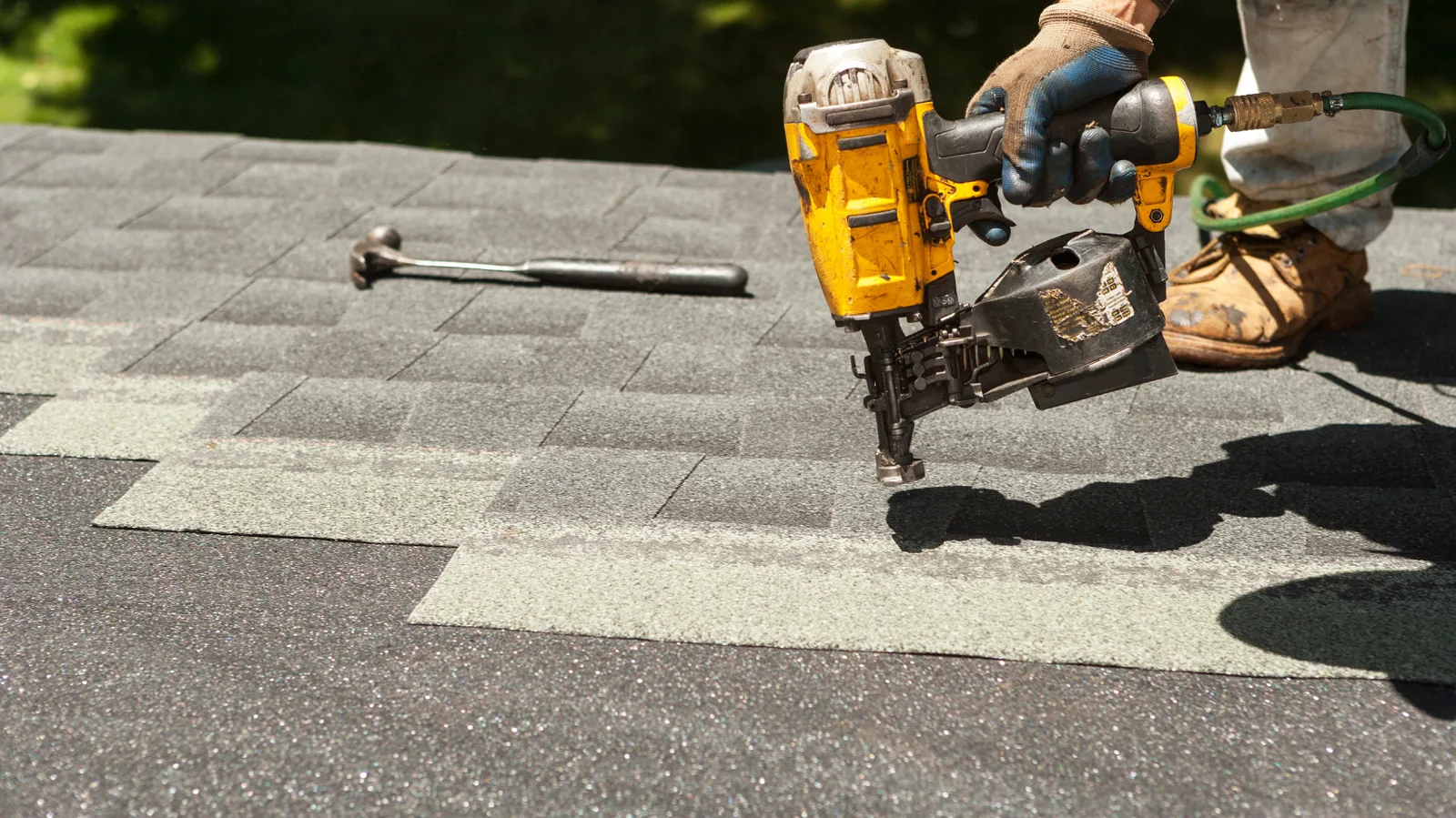
The covering hides the fastening base
The roof covering hides much of the surface that holds its fasteners. Old underlayment and previous layers can conceal softened edges or separated plywood. A leak may have affected only a small area, or the damage may continue beyond the first visible spot.
An inspection from outside cannot expose all of that without opening the roof. Finding more work at tear-off is not, by itself, proof that the initial assessment was careless. The useful question is what was known, what remained concealed and how the additional work will be handled.
Replace the weak base, keep the sound base
Shingles cannot be fastened reliably to material that no longer holds them. At an edge or wall transition, weak support can also compromise the details needed to keep water outside. Replacing that damaged base is part of building the new roof, not a cosmetic upgrade.
At the same time, sound decking can continue to serve. Bedford’s published sheathing guidance allows it to remain when suitable. A few weak panels do not automatically establish that every panel on the house needs removal.
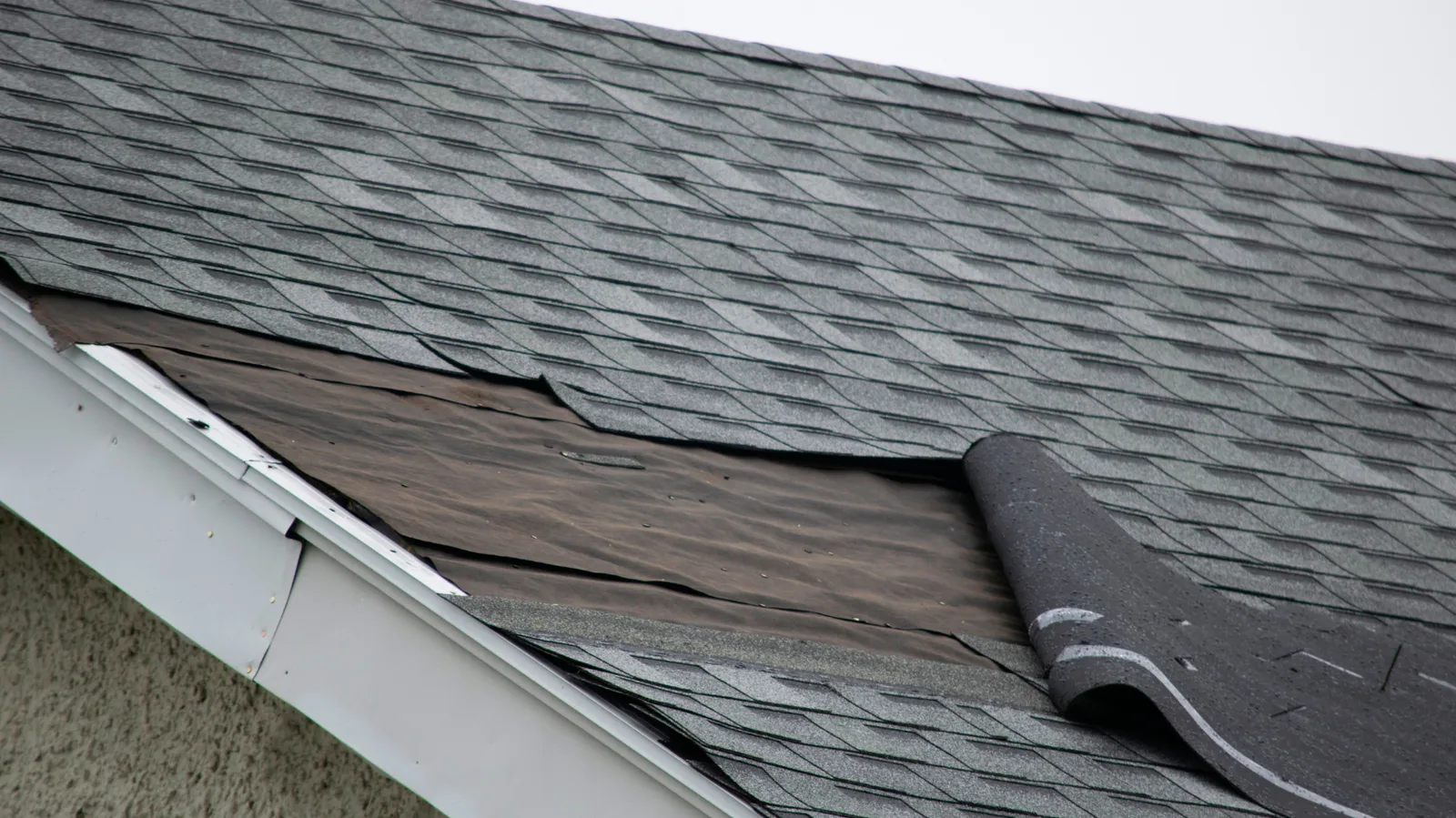
Three different decking conversations
It helps to distinguish three situations instead of treating every decking charge as the same surprise.
Do not let the weather rush the decision out of the plan
The deck needs to be ready before it is covered with the new assembly. Weather can make that sequencing feel urgent, which is why protection and the way changes are authorized should already be part of the project conversation.
A sensible work sequence considers how much roof is opened, how exposed areas will be protected and what happens if conditions change. Temporary protection may be needed while a revised scope or an inspection is coordinated. Rushing new shingles over weak wood would leave the fastening problem behind.
Bedford permit and sheathing requirements
Plan the roof and its unknowns together
Bring your replacement question to Bedford Premier Roofing and request a free roof inspection. Ask about known deck concerns and how concealed findings will be handled before the project reaches tear-off day.