Metal roofing in Bedford
Thinking about trading shingles for metal? The panel profile is only part of the change. Compare how the roof attaches, moves and meets the house before deciding which metal system suits your Bedford property.
Standing seam and exposed fasteners are different systems
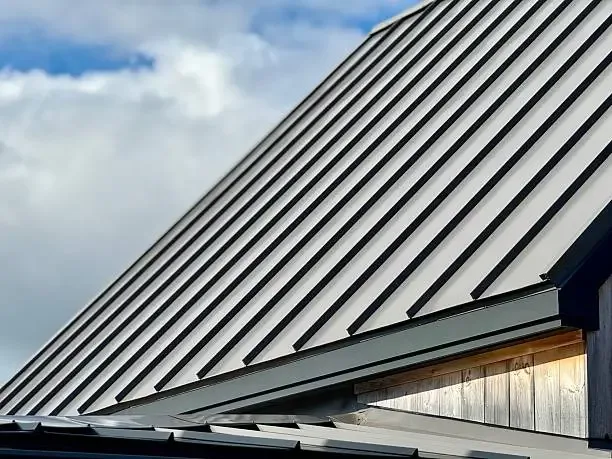
Standing seam
Raised seams and concealed attachments give the roof a clean pattern. The attachment system and end details need to accommodate thermal movement. Layout around valleys, dormers and pipes can be a substantial part of the work.
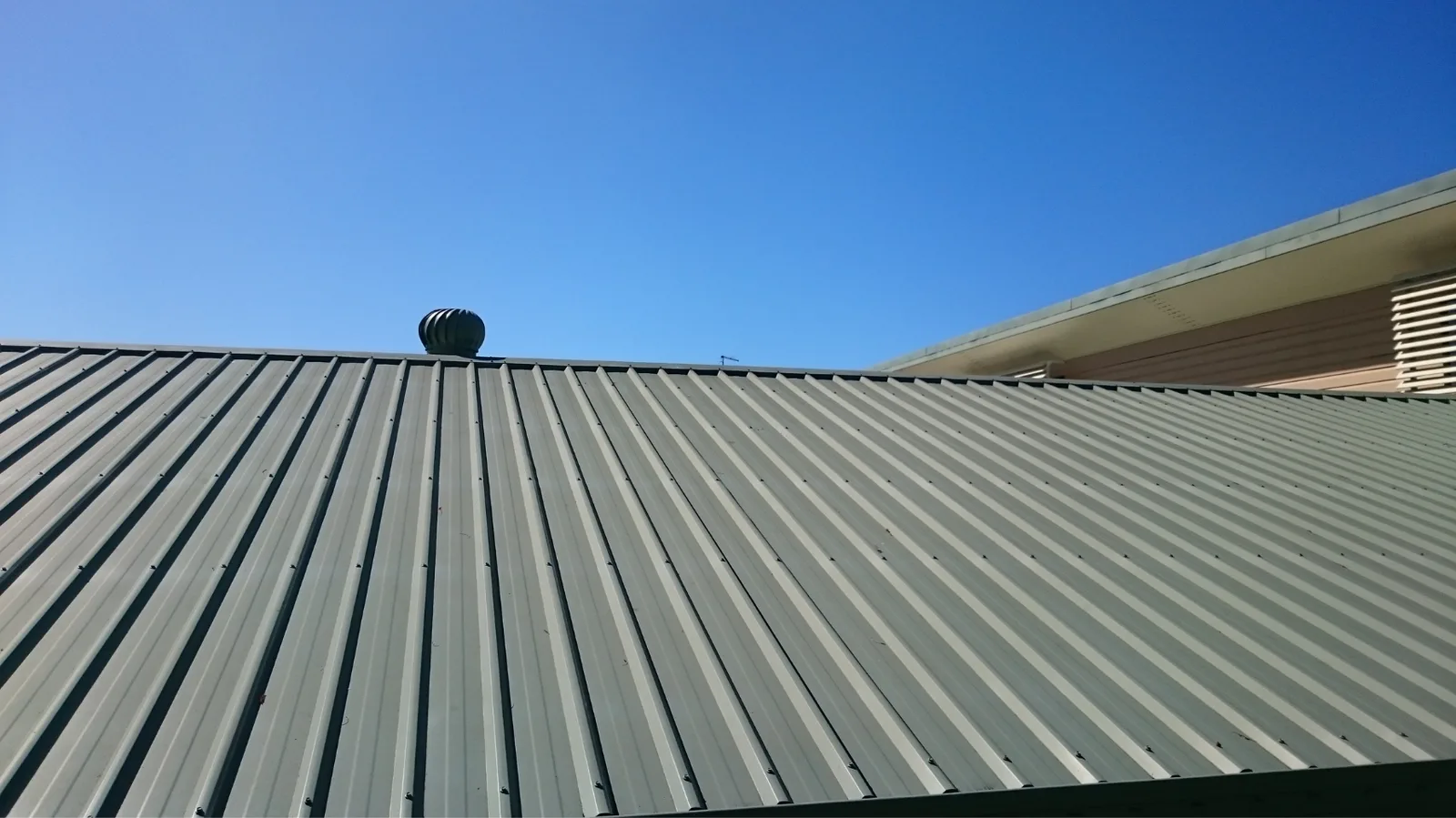
Exposed-fastener panels
Screws pass through the visible panels, with washers helping seal those openings. Fasteners and washers remain maintenance points as the assembly moves and ages. The initial panel choice includes that future care, not only the appearance.
The conversion reaches below the panels
Metal does not remove the need to understand the existing roof. Old layers, the deck and any weakened wood affect how the new assembly can be supported. Covering over old roofing leaves more concealed and adds material to the building; it is a suitability decision, not a universal shortcut.
Slope also matters. Different panel and seam systems have different application limits. At a lower porch roof, the same product used on the main slope may not be appropriate. Underlayment, ventilation and condensation control need to suit the full assembly over the occupied space.
Plan the details that interrupt the long lines
Long, uninterrupted panels shed water differently from the places where the roof stops or changes direction. Those details deserve attention in the proposal.
Edges and ridges
Closures and trims need to fit the selected profile. Their attachment and water-shedding arrangement help keep wind-driven rain from entering where the broad panel surface ends.
Valleys and walls
Concentrated runoff and changes in direction need compatible flashings. The connection must carry water back outside while allowing the movement the metal system requires.
Pipes and service openings
Penetration details need compatible materials and a suitable fit. A rigid or improvised connection can become a stress point as temperatures change. Future equipment work should preserve the roof’s intended details.
Metal roofing FAQs
Will rain be louder inside?
Sound depends on the whole roof and ceiling assembly. A solid deck and insulation behave differently from open framing below a bare panel. Neither silence nor excessive noise follows from the word “metal” alone.
Does a dent mean the roof leaks?
A dent may be an appearance issue, but the surrounding seam, attachment and coating still need consideration. Distortion that affects a connection can have a different significance from a small dent in an open panel surface.
Is metal maintenance-free?
No. Finish condition, debris, flashings and fasteners need appropriate attention. Exposed washers and sealants do not necessarily last as long as the panel material.
Can metal be installed over old shingles?
That depends on the existing roof and the proposed assembly. Covering over old roofing leaves the deck less visible and adds material to the building. Old layers, weakened wood, slope and the chosen panel system all affect suitability. The roof replacement guide explains the difference between tear-off and recovering.
Allow for the standing-seam price difference
For a standing-seam replacement covering 2,000 square feet of actual roof surface, published 2026 East DFW guidance gives a total planning range of $24,000 to $36,000 or more. This is regional context, not a Bedford quote. Roof shape, access and work below the panels can change the project price.
Compare the material budgets
Talk through the change before choosing a panel
Tell us which building you are considering and what you want the change to achieve. Request a free inspection to relate that choice to the roof already in place.