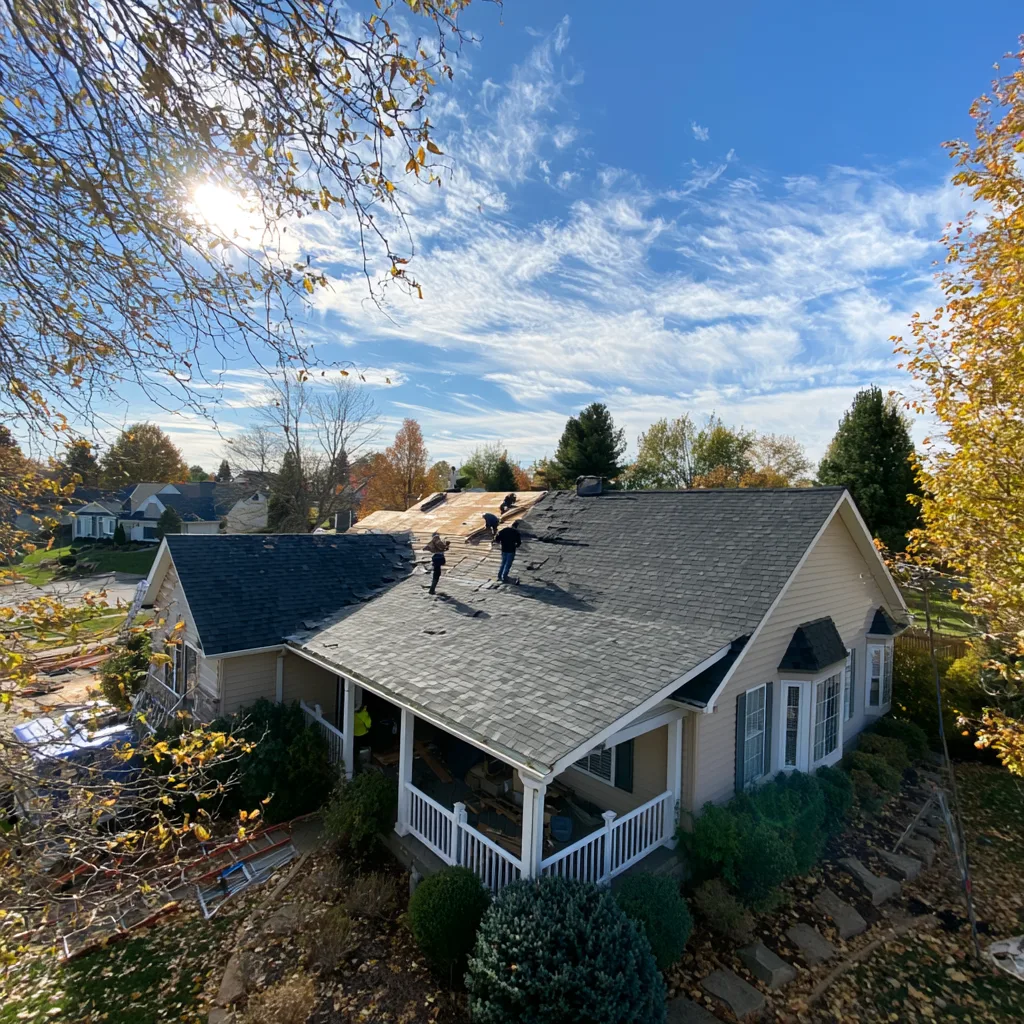
Roof replacement in Bedford
A roof replacement should solve the roof’s problems, not just change its color. For your Bedford home, start with what must come off, what can remain and how the new assembly will handle water from ridge to gutter.
The new shingles are one part of the job
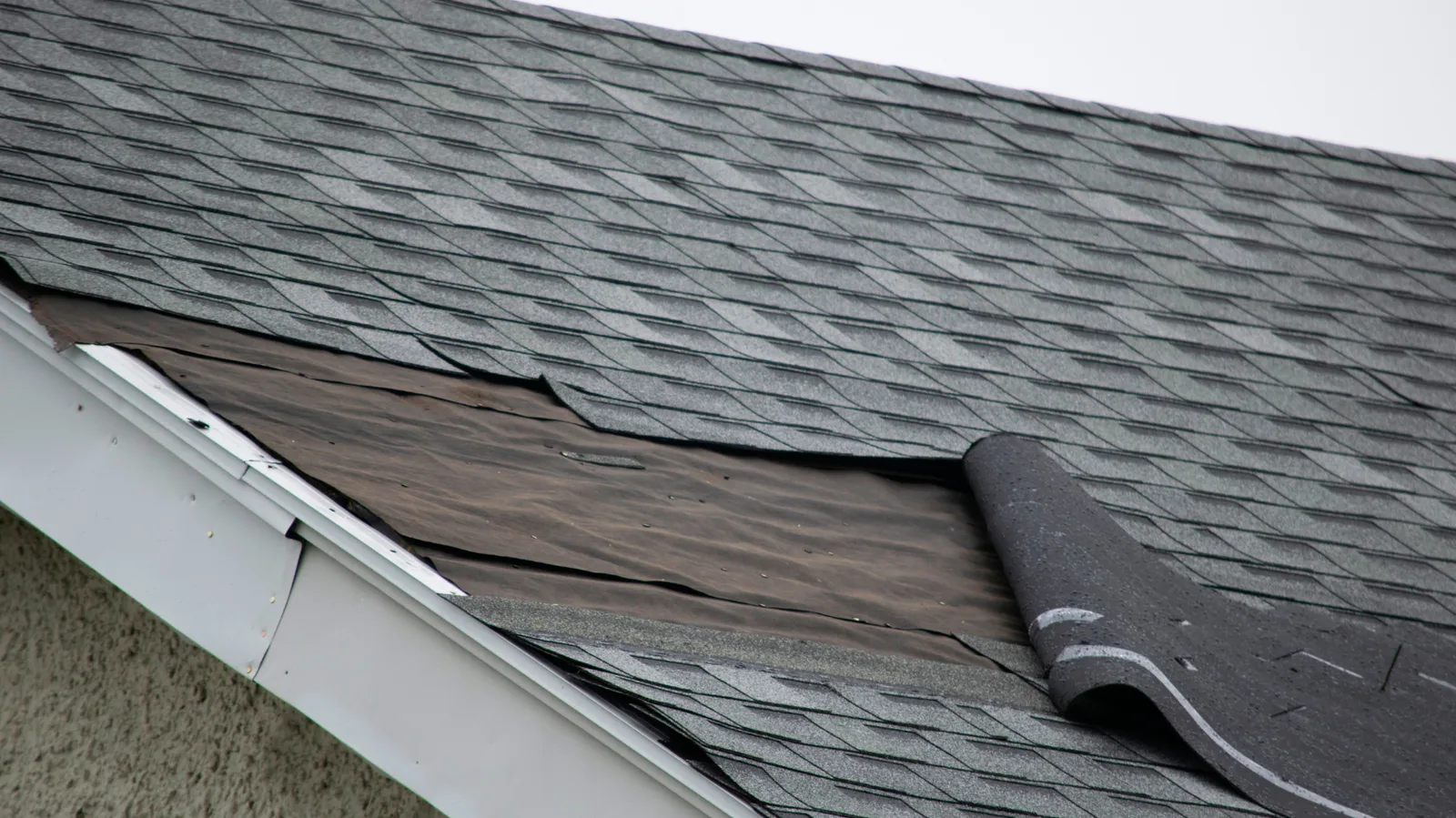
Tear-off removes the old covering so the fastening base can be seen. That matters because shingles can hide softened panel edges, separating plywood or an older repair that never had solid support. New fasteners need sound wood to hold them.
Good existing decking does not become waste simply because the shingles are worn out. The decision is about its condition and whether it meets the requirements for the new roof. A recover leaves more of the old assembly concealed, so it is not interchangeable with a tear-off.
Separate the base scope from choices and unknowns
The price becomes easier to understand when necessary work, selected upgrades and concealed conditions have their own place in the scope.
What happens between tear-off and the finished ridge
The order protects the work already completed. It also explains why roof shape, weather and deck findings can affect the schedule.
Open the roof in a manageable sequence
Access, vehicles, landscaping and material staging need attention before removal begins. Tear-off brings noise, vibration and debris. Once the base is exposed, damaged wood has to be addressed before it is covered again.
Build the water path from the edges upward
Underlayment provides backup beneath the shingles. Its laps must connect properly with edge metal. Starter courses secure the first shingle course; valley details handle concentrated runoff. At a wall, step flashing works with successive shingle courses, while the wall-side covering keeps water from getting behind it.
Finish the upper roof and the ground below
The field covering, pipe flashings and ridge details complete the weather surface. A vented attic needs open low intake as well as high exhaust. Cleanup includes roofing debris and fasteners around the work area. Rain can interrupt the sequence, so temporary protection and the next weather window belong in the plan.
Compare materials without losing sight of installation
Choose the visible finish
Architectural shingles provide a layered profile. Designer products put more emphasis on a distinctive shape or heavier visual texture. An impact classification is another product characteristic, not a promise that hail cannot damage the roof.
Keep the underlying work complete
A more expensive shingle cannot correct a bad wall flashing, blocked attic intake or weak fastening base. Put those necessary details into the project first, then compare the material choices at the same scope.
Put roof area into the budget
Roof surface area is the useful unit, not the home’s total living space. Pitch adds surface, and valleys, dormers, access restrictions, extra layers and damaged decking add work. The calculator uses published East DFW architectural-asphalt guidance to help with an early budget. It is a starting range, not a Bedford bid average.
Read the coverage behind the warranty label
The largest year count is only one part of the warranty. A useful comparison separates the covered failure, the repair costs included and the conditions needed to keep that protection.
- Coverage and responsibility
- Manufacturing defects and workmanship errors are different risks. Check who backs each promise and whether labor, removal and disposal are included. Manufacturer-backed workmanship coverage is an additional provision, not something every shingle includes.
- Full coverage and proration
- An early non-prorated period can end before the stated warranty term. Later reimbursement may be reduced. “Lifetime” has an ownership and building definition; it does not promise that a roof will never need replacement.
- Registration and a future sale
- Some base warranties need no registration; enhanced options may require an eligible system, installer and registration. Transfer windows also vary. Retain the issued warranty, invoice and installation date.
- A problem years later
- Follow the named provider’s claim process and check exclusions for installation or later alterations. If the roofing business is gone, its own workmanship promise and any separate manufacturer protection are still different obligations.
Roof replacement FAQs
Can I remain at home during replacement?
Often, yes, but expect substantial overhead noise and vibration. Pets, young children and work calls may be easier elsewhere during the loudest work. Keep vehicles and people out of the agreed work and debris areas.
Is adding another layer always cheaper?
A recover avoids some removal, but it leaves the underlying condition less visible and adds weight. Existing layers, the deck, roof condition, product requirements and applicable rules determine whether it is a suitable option.
What happens if bad decking appears?
The weak material needs an appropriate repair before new roofing is fastened to it. The practical issue is how additional work is described, priced and authorized. A known damaged area and an unexpected pattern across several panels are different changes to the job.
What if rain arrives during the project?
The roof should be opened and protected in a sequence suited to the conditions. A weather change may require a pause and temporary protection. No calendar estimate eliminates weather risk; the protection plan matters alongside the start date.
Does a product warranty cover installation mistakes?
Product and workmanship terms address different responsibilities. A manufacturer’s material warranty does not automatically make every installation problem a covered claim. The applicable written terms, exclusions and remedy determine what protection is actually offered.
Does replacing the roof fix a hot bedroom?
A new covering alone does not settle a room-temperature problem. Insulation, ceiling air leaks and attic airflow do different jobs. In a vented attic, blocked intake can even make a powered fan pull conditioned air out of the house.
Is adding more kinds of vents an upgrade?
More openings do not necessarily make a better system. Mixing exhaust types can shorten the air path and leave part of the attic poorly ventilated. Intake area and the chosen exhaust need to be considered together.
Find the scope that fits this roof
If repairs keep returning or the covering is wearing out, request a free roof inspection. Begin with the condition of this roof, then decide how much replacement work makes sense.